
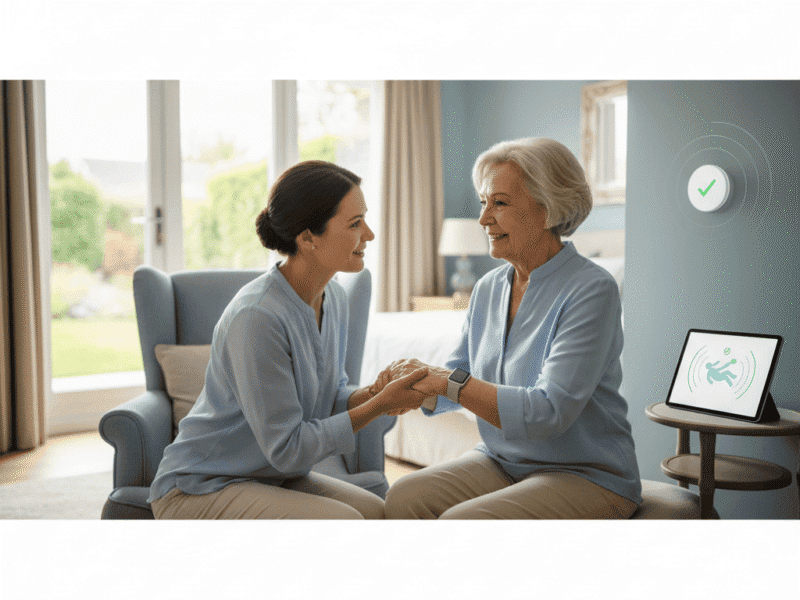
As part of our mission to provide helpful information across many aspects of life, we often find ourselves exploring topics that deeply impact our well-being and safety. Today, I want to discuss something that touches many families and individuals, especially as we or our loved ones age. It is about maintaining independence and peace of mind at home.
I am talking about the importance of protecting against falls. Falls represent a significant risk for older adults and even for some younger individuals with certain health conditions. This concern grows as people want to stay in their own homes for as long as possible, and it brings a real need for reliable safety measures.
In this article, we will look at how modern technology offers powerful solutions. We will specifically focus on how advanced fall alert systems can significantly ensure safety with advanced fall alert systems, providing crucial support when it is needed most. My goal is to equip you with the knowledge to make informed decisions for yourself or those you care for.
Understanding the Critical Need for Fall Alert Systems Today
I have seen firsthand the challenges that come with aging, and the fear of falling is a very real one for many. It is not just about the physical injury itself. There is also the emotional impact and the loss of confidence that can follow. Statistics show that falls are a leading cause of injury and even death among older adults.
A fall can lead to broken bones, head injuries, and other serious health problems. It can also mark the beginning of a decline in mobility and independence. This is why having a proactive strategy to mitigate these risks is absolutely essential. We cannot always prevent falls, but we can certainly prepare for them.
Advanced fall alert systems address this critical need by providing a way to get help quickly after a fall occurs. This rapid response is often the most important factor in preventing serious complications and speeding up recovery. It means a loved one does not have to lie on the floor for hours waiting for someone to find them.
The peace of mind these systems offer extends to family members and caregivers as well. Knowing that a system is in place to detect falls and call for help allows everyone to breathe a little easier. It supports the desire for independent living, making it a safer and more viable option for many.
The Real Impact of Delayed Help After a Fall
I think it is important to understand why quick help matters so much. When a person falls and cannot get up, they face a higher risk of health issues. This can include dehydration, hypothermia, pressure sores, and even pneumonia if they remain on the floor for a long time.
Psychologically, being unable to call for help can cause immense fear and anxiety. This experience alone might make someone more hesitant to move around their home, which can further weaken their muscles and increase their risk of future falls. The sooner help arrives, the less time a person spends in distress, and the better their chances are for a full recovery.
How Advanced Fall Detection Technology Works to Protect You
The technology behind today’s fall alert systems has come a long way. Gone are the days of simple buttons that required manual activation. Now, intelligent sensors and algorithms play a major role in detecting falls automatically, even when a person cannot press a button themselves.
These systems use a combination of accelerometers and gyroscopes to monitor movement patterns. They can distinguish between everyday activities like sitting down or bending over and an actual fall event. When the system detects a sudden change in orientation or velocity characteristic of a fall, it triggers an alert.
This alert can go to a monitoring center, directly to family members, or both. Many systems also include two-way communication, allowing the individual to speak with the monitoring center directly through the device itself. This way, they can confirm if help is truly needed or if it was a false alarm.
Some of the most advanced systems even learn an individual’s normal activity patterns over time. This makes the detection even more accurate, reducing false alarms and ensuring that real emergencies are never missed. I find this level of sophistication incredibly reassuring for anyone worried about false positives or negatives.
Wearable Devices and Their Smart Features
Many fall alert systems come as small, lightweight wearable devices. These can be worn as pendants, watches, or even clip-on sensors. They are designed to be comfortable and discreet, so people are more likely to wear them consistently. This is key because a device cannot help if it is not being worn.
Some devices include GPS tracking, which is especially useful for individuals who are still active outside their homes. If a fall occurs while they are out walking, emergency services can pinpoint their exact location. This added layer of protection significantly expands the areas where users can feel safe and confident. It is good to understand what to know about fall detection in alert bracelets, because they are a popular and effective option for many users. Healthcare Link offers a deep dive into how these devices function and what to consider.
Beyond fall detection, these wearables often have other helpful features. They might include reminders for medication, emergency contact lists, and even vitals monitoring. These extra functions turn a safety device into a more comprehensive health and wellness tool, making it even more valuable.
Choosing the Right Fall Alert System for Your Needs
Selecting the best fall alert system requires careful thought because one size does not fit all. You need to consider the specific needs of the person who will be using it, their lifestyle, and their health condition. I always suggest starting with an assessment of daily routines and potential risks.
For someone who spends most of their time at home and has limited mobility, a basic in-home system with a good range might be sufficient. This usually involves a base unit connected to a wearable pendant. But for someone who is more active and goes out frequently, a mobile system with GPS is a better choice.
Think about whether you prefer a system with a professional monitoring center or one that directly contacts family and friends. Monitoring centers offer 24/7 coverage, which means help is always available, even if family members are busy or asleep. Direct contact systems can be more personal, but they rely on someone being available to respond.
The cost is also a factor, and prices vary widely based on features and monitoring services. I encourage looking into monthly fees, equipment costs, and any long-term contracts. Many providers offer different plans, so comparing them is a smart move.
Key Features to Consider for Maximum Protection
- Automatic Fall Detection: This is a non-negotiable feature for those at high risk of unassisted falls.
- Two-Way Communication: This allows the user to speak directly to responders or family members through the device.
- Waterproof Devices: Falls often happen in bathrooms, so a waterproof wearable is very important.
- GPS Tracking: Essential for active individuals who might fall outside the home.
- Battery Life: Look for devices with long battery life and easy charging to ensure continuous protection.
- Range: Ensure the system covers all areas of the home and yard if applicable.
- Ease of Use: The device should be simple to wear and operate for the user.
Also, inquire about installation and technical support. Some systems are easy to set up yourself, while others might require professional help. Good customer service can make a big difference if you encounter any issues with the device.
Benefits of Modern Fall Alert Systems Beyond Emergencies
While the primary purpose of fall alert systems is to get help after a fall, their benefits extend much further. I believe these systems truly enhance the overall quality of life for users and their families. They play a significant role in promoting independence and well-being.
One major benefit is the psychological boost they provide. Knowing that help is just a button press away, or that a fall will be automatically detected, reduces anxiety. This increased confidence allows individuals to engage more fully in daily activities, knowing they are protected.
These systems can also gather data on activity levels and sleep patterns. This information can be incredibly valuable for caregivers and healthcare providers. It helps them monitor overall health trends and identify potential issues before they become serious. For example, a sudden drop in activity might signal a problem that needs attention.
Family members often experience less stress and worry. They do not have to constantly check in or fear the worst. This creates a healthier dynamic, allowing for more genuine interactions rather than purely supervisory ones. It strengthens family bonds by reducing caregiver burnout.
Promoting Active and Independent Lifestyles
Many people worry that using a fall alert system means they are giving up their independence. I see it as the opposite. These systems empower individuals to live more actively and confidently.
With a reliable fall alert system, someone might feel more comfortable continuing their hobbies, walking in the park, or even traveling. They know that if an accident happens, they are not alone. This ability to maintain an active lifestyle is crucial for physical and mental health. It helps users stay engaged with their communities and continue doing the things they love, knowing they have a safety net.
Implementing Fall Alert Systems for Enhanced Home Safety
Once you have chosen an advanced fall alert system, proper implementation is key to ensuring its effectiveness. I always recommend a thorough review of the home environment itself. The system is a tool, but it works best in a safe setting.
Start by identifying potential fall hazards in the home. This includes loose rugs, cluttered walkways, poor lighting, and areas with uneven surfaces. Simple modifications can significantly reduce the risk of falls. Installing grab bars in bathrooms and ensuring good lighting in hallways are easy but impactful steps.
Teach the user how to operate the system, including how to press the help button if they can. Make sure they understand how the automatic detection works and what to do if there is a false alarm. Practice scenarios can build confidence and ensure a quick response during a real emergency.
Regular testing of the device is also very important. This confirms that it is functioning correctly and that the monitoring service or designated contacts receive alerts. Most providers recommend testing at least once a month. This small step can prevent big problems.
Creating a Personalized Safety Plan
Integrating the fall alert system into a broader safety plan provides the most robust protection. I suggest creating a clear list of who to contact in an emergency, including primary and secondary caregivers, and emergency services. Share this plan with everyone involved.
Consider setting up a spare key system for responders if the user lives alone. This allows emergency personnel to enter the home quickly without causing damage. Also, ensure that all emergency contacts have updated medical information for the user, so they can provide critical details to responders.
Finally, encourage open communication about safety concerns. Regular discussions about how the system is working and any new worries can help adjust the plan as needed. Staying proactive and adaptable means the fall alert system truly contributes to a safer, more independent life.
Ensuring Lasting Safety with Advanced Fall Alert Systems
I hope this discussion has illuminated the significant value that advanced fall alert systems bring to the table. We have explored the critical need for quick assistance after a fall, delving into how delayed help can lead to serious consequences. I have outlined how cutting-edge technology, through smart sensors and wearable devices, provides reliable fall detection and immediate communication. This helps us to ensure safety with advanced fall alert systems for ourselves and our loved ones.
We also looked at how to choose the right system, considering personal needs and vital features like automatic detection and GPS. It is clear that these systems offer benefits far beyond just emergency response. They foster greater independence, reduce anxiety, and provide valuable health insights. I believe that by understanding these tools and integrating them into a thoughtful home safety plan, we can significantly improve the quality of life for individuals at risk of falls.
My hope is that you feel more informed and empowered to make decisions about fall safety. I truly encourage you to take the next step. Research the options available, talk to family members, and consider how a modern fall alert system could bring greater peace of mind and protection. Investing in this technology is an investment in continued independence and a safer future for everyone involved.

Dennis N. McGill




Sponsor

Advertisement

Sponsor
